Fifty years after it first clawed its way into theaters, The Texas Chain Saw Massacre still doesn’t feel safe. It remains raw, grimy, and charged with something unshakably wrong. Alexandre O. Philippe‘s Chain Reactions isn’t interested in retelling the story behind the film’s creation—that’s been done in countless BluRay extras. Instead, it explores how that chaos lodged itself in our collective psyche and never let go. Thankfully, this isn’t your typical talking-head documentary. It’s more like a séance held inside the haunted wreckage of American cinema, lit in flickers of childhood memory and young adult obsession.
The structure mimics the original 1974 film’s descent into madness: from high noon to deepest night to jarring sunrise. The interviewees, seated in a reimagined version of the Sawyer house, recall not just watching TCM, but being irrevocably changed by it. Their stories unfold as if the house itself conjures their recollections—a ghostly echo chamber for personal trauma and cinematic revelation.
Patton Oswalt (80 for Brady) sets the tone with a monologue that veers from funny to profound. His theory: Chain Saw isn’t just about one family’s insanity, but a glimpse of civilization breaking down entirely—a microcosm of apocalypse. It’s a compelling reframing that reorients the viewer from the outset. You quickly realize this isn’t fan service. It’s articulate dissection of the film’s apocalyptic undertones.
Then comes Takashi Miike (Audition), who confesses that seeing TCM at 15 instead of Charlie Chaplin’s City Lights left a psychic scar. Questioning whether he’d even be a filmmaker without that experience, Miike, speaking through subtitles, appears reverent, vulnerable, even shaken. Philippe captures this surprising emotional register with restraint and empathy. That someone whose own work redefined cinematic violence still carries trauma from this film says everything.
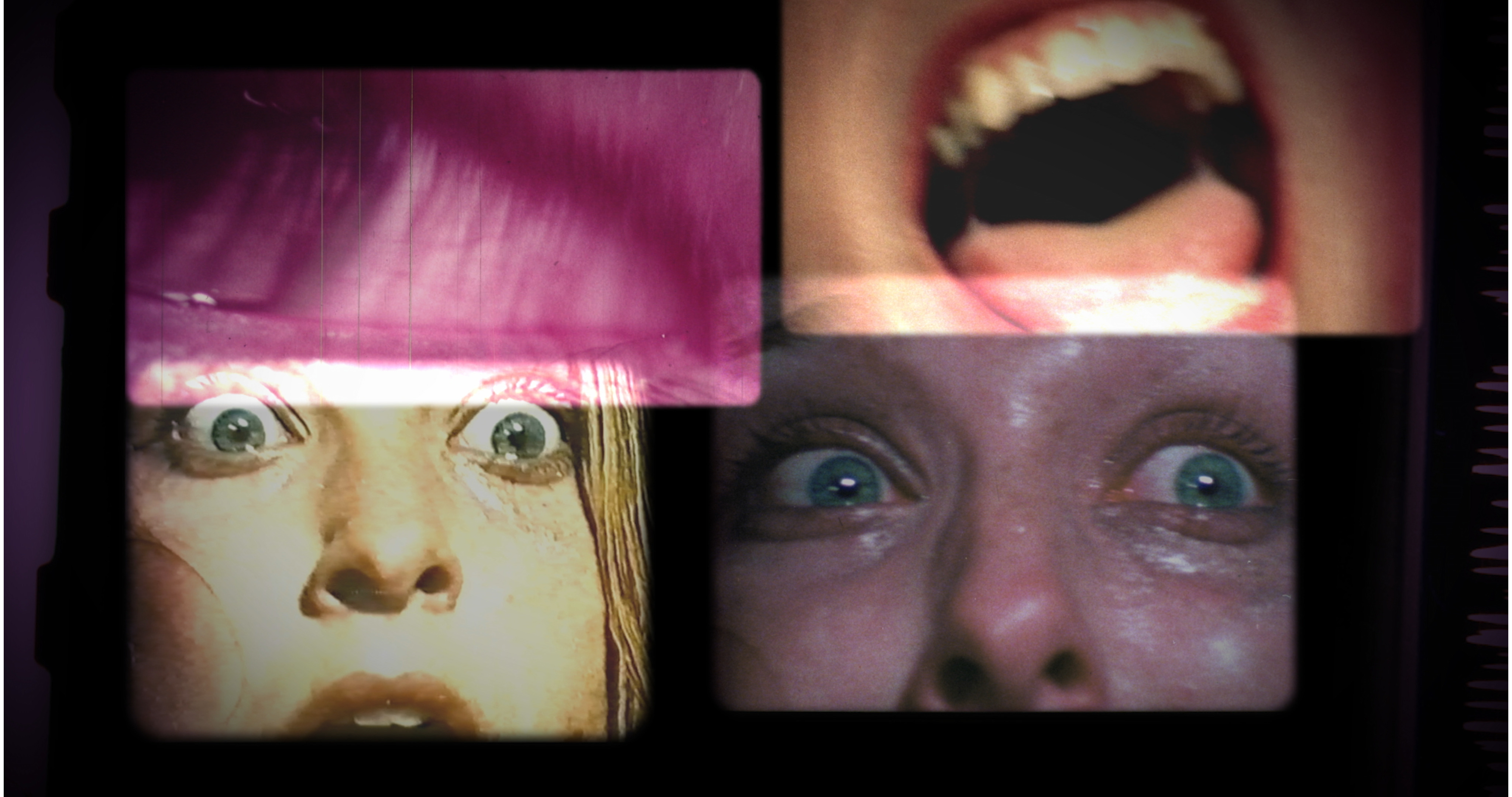
Alexandra Heller-Nicholas (Woodlands Dark and Days Bewitched: A History of Folk Horror) brings texture—literally. Her memory is filtered through the warped grain of an Australian VHS tape, which she argues is essential to how she experienced the film. Heller-Nicholas’s discussion of this sought-after VHS, with its sun-bleached quality evoking outback heat, illustrates how technical limitations become aesthetic strengths. Her chapter is one of the most intellectually layered, reminding us that the format of a film viewing—the tactile hiss of tape, the static, the blur—can deepen our emotional connection. The documentary’s smart use of multiple formats (16mm, 35mm, VHS, digital) echoes this theme visually.
Stephen King (Carrie) appears, of course—how could he not? Even the master of horror feels like a fan first, almost startled by the film’s continuing power. The author talks about TCM like it’s a Rolling Stones record—stripped-down, brutally efficient, impossible to forget. He’s not wrong. The thing still works and King’s appearance offers a rare moment of pure admiration.
Finally there’s Karyn Kusama (Destroyer) who closes the film with the sunrise segment—a perfect coda. The director of The Invitation and Jennifer’s Body‘s assertion that TCM’s thesis is “America is a madness, and I want you to look at it” lands like a hammer. It’s a rage that felt prescient in the post-Vietnam, post-Watergate ’70s, and feels newly urgent now, in a world defined by broken systems and manufactured fear.
Philippe’s technique is subtle but immersive. He and cinematographer Robert Muratore build a visual language that evolves with each chapter, shifting light and shadow to mark time’s passage. The recreated house never feels like a set; it’s more like a memory palace built from dread. There are archival clips and rare outtakes—the infamous meat hook scene appears multiple times—but Philippe never leans into exploitation.
The editing by David Lawrence is elegant, allowing voices to breathe without slipping into repetition. At 102 minutes, the film never drags. Instead, it builds cinematic hypnosis. There’s no score pushing us to feel; the emotional arc comes from the speakers themselves. They aren’t just telling us what TCM meant to them in the past. They’re reliving it for us in the moment.
Most importantly, Philippe resists the urge to over-intellectualize or over-explain. He trusts the material—and his subjects—to carry the weight. The result is film criticism by way of oral history, and Chain Reactions understands that The Texas Chain Saw Massacre was never just about gore or shock. It was about decay, confusion, and the corrosion of the American dream.
With legacy sequels and sanitized reboots clogging our cinemas, Chain Reactions is a rare and dynamic thing: a documentary that listens. That lets its audience sit in discomfort. That doesn’t try to solve the mystery, but simply bears witness to its effect. Philippe has crafted a worthy companion piece to one of horror’s most essential works, proving that the best tributes don’t just celebrate their subjects—they help us understand why certain nightmares refuse to fade. For fans of the original, it’s a revelation. For those who’ve never seen it, it might just be the nudge to finally press play.




Leave a Reply