Dan Curtis’ Gothic Tales Blu-ray Review: Portraits and Phantoms
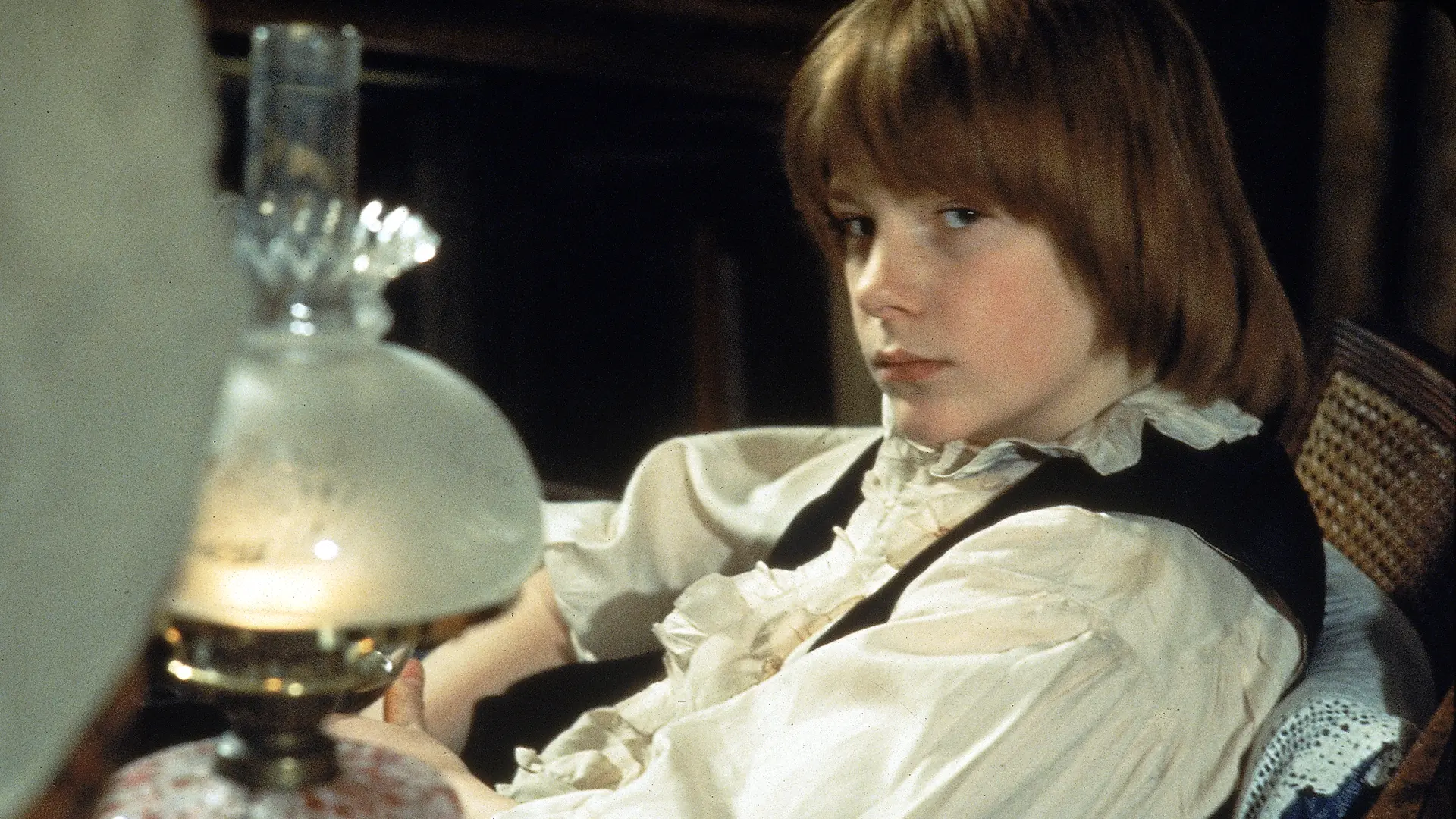

Synopsis: Two chilling TV adaptations explore psychological horror: a decadent young man’s portrait reveals his moral decay in The Picture of Dorian Gray, and a governess descends into madness while uncovering ghostly secrets in The Turn of the Screw.
Stars: Nigel Davenport, Charles Aidman, Lynn Redgrave, Megs Jenkins, Shane Briant
Director: Glenn Jordan, Dan Curtis
Rated: NR
Running Length: 228 minutes (2 features)
Disc Review in Brief: Dan Curtis brings Oscar Wilde and Henry James to 1970s television with mixed but atmospheric results. These aren’t his best works, but devoted fans and those who remember the original broadcasts will appreciate the craftsmanship.

Dan Curtis spent much of the 1970s proving that literary horror belonged on television. After Dark Shadows made gothic fiction a household obsession, he turned to the classics. Dan Curtis’ Gothic Tales collects two of his made-for-TV adaptations: The Picture of Dorian Gray and The Turn of the Screw. Neither will terrify modern audiences but both reward patient viewers who appreciate Curtis’s gift for great atmosphere and star casting.
I recently saw Sarah Snook’s astonishing one-woman Broadway production of Dorian Gray, where she played every character and essentially performed the entire novel. That experience made returning to this 1973 version fascinating. Shane Briant (Captain Kronos: Vampire Hunter) captures Dorian’s split nature convincingly — self-assured in his wickedness one moment, desperate for redemption the next. Curtis had already explored similar territory on Dark Shadows with Quentin Collins, another handsome man whose portrait kept dark secrets. The connection feels intentional.
Nigel Davenport oozes grand authority as Lord Henry Wotton, and his scenes with Briant provide the film’s dramatic highlights. The supporting cast includes familiar faces: John Karlen, MN’s own Linda Kelsey, a young Kim Richards, and Fionnula Flanagan. Glenn Jordan directs his actors with restraint, allowing them to huff and puff when necessary but letting the material speak for itself. This adaptation favors mood over momentum, so prepare for a deliberate rhythm that echoes the original Oscar Wilde structure. While the pacing requires patience, the central performances justify it.
The Turn of the Screw finds Curtis directing as well as producing. Two-time Oscar nominee Lynn Redgrave stars as Miss Jane Cubberly, a governess hired to care for two orphans at an isolated country estate. She becomes convinced the children are communicating with ghosts — the previous governess and her lover. Henry James wrote his novella to resist easy interpretation, and every adaptation struggles with that ambiguity. Curtis doesn’t solve the puzzle. He leans into the uncertainty, which has always frustrated some viewers while intriguing others.
The production carries the videotaped aesthetic of Dark Shadows, complete with recycled music cues from that series (which Curtis often did. Hey, if it ain’t broke…). If you love the soap opera’s gothic mood, you’ll feel right at home. Redgrave commits fully to her character’s unraveling and her performance steers this ship nicely.
Here’s a wonderful bit of trivia: she’s one of four Redgraves to appear in adaptations of this story. Her father Michael was in The Innocents, brother Corin appeared in a 2009 version, and niece Joely Richardson was in 2020’s unremarkable The Turning. Megs Jenkins also connects the adaptations — she played Mrs. Grose in both this TV film and The Innocents. Kathryn Leigh Scott, another alumna from Dark Shadows, appears as Miss Jessel.
These productions show their age in ways that are hard to overlook. Both films might as well have cobwebs all over them, and genuine frights are few and far between. This release is likely more for devoted Curtis fans and anyone who remembers catching these when they first aired. Kino Lorber’s extras include introductions by Jeff Thompson, author of “The Television Horrors of Dan Curtis.” David Del Valle provides commentary on Dorian Gray, while Anthony Slide covers both features. A brief archival promotional short with Curtis and Redgrave rounds out the package. The scarlet and turquoise slipcover presentation is another handsome addition to the Curtis collection and Kino Cult’s roster.
Curtis knew exactly how to assemble talent and translate 19th-century literature into television horror. These aren’t his best works, but they showcase his consistent craftsmanship. Worth having to see them cleaned up, but will you watch them a second (or third?) time?

Looking for something? Search for it here! Try an actor, movie, director, genre, or keyword!
The MN Movie Man
Spoiler-free film critic on a mission to ensure your cinematic experience is unforgettable. Let's dive into the magic of movies together!
<script async src="https://widget.justwatch.com/justwatch_widget.js"></script>


