Some films about aging focus on loss and decline, forcing you to stuff your pockets with Kleenex before sitting down, while others opt for too-sweet tales of late-life adventure that leave you wondering if the filmmakers have ever met a person over 50. Rose, the directorial debut of French singer-songwriter Aurélie Saada, opts for something far more interesting.
This refreshingly honest approach is willing to dialogue with the complexities of finding yourself when society expects you to fade quietly away. Saada’s film is as delicate and charming as its titular character, played with effortless grace by Françoise Fabian. Yet, the movie struggles to maintain momentum when it strays too far from Rose’s perspective.
Fabian stars as Rose, a 78-year-old Jewish woman in France who has spent decades defining herself through her marriage. When her husband Philippe (Bernard Murat) dies early in the film, she’s left adrift in a life she had built entirely around him. While still mourning, Rose tries to occupy her time by forging on with the roles she has retained: mother and grandmother. However, Rose faces a question that many women of a certain age must confront: Who am I when I’m no longer someone’s wife? What follows is a quiet, occasionally joyful journey of self-reclamation as Rose begins to embrace her forced independence, surprising her family—most notably her children, who are wrestling with their challenges—in the process.
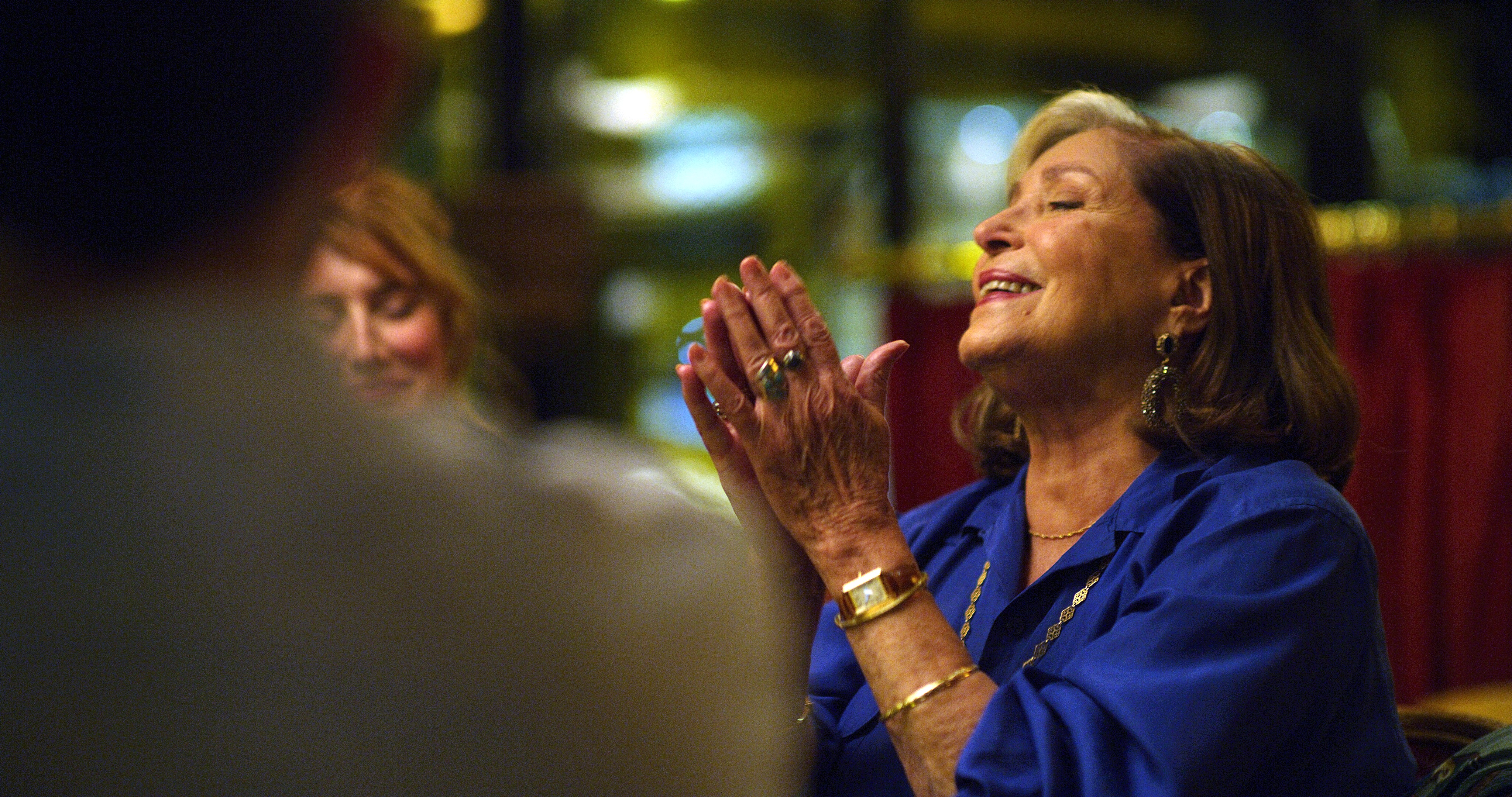
Fabian’s performance is a masterclass in subtle transformation, and she’s the undeniable highlight of the movie. Rose begins as someone so accustomed to deferring to others that she can’t even name her own preferences. When ordering a drink for the first time, she instinctively rattles off the same one her husband gave her for years, and selecting the same meal as her daughter is easier than choosing her own. Her transformation—from a woman unsure of her own desires to someone willing to explore life’s possibilities—is gradual and authentic, avoiding the clichéd overnight epiphanies often seen in similar stories. It’s the kind of performance that applies a personal touch and gives us more than a tiny clue as to why she’s been a celebrated star of French cinema for decades.
Using her musical background, Saada boldly chooses to compose and perform the film’s score herself. What could have been an indulgent misstep instead provides an intimate soundtrack that perfectly captures her star’s evolving emotional state. The music becomes another character that understands our protagonist’s journey on a deeply personal level. I liked it so much that I downloaded it from iTunes while the credits were running.
Aurally, Saada has things covered, but the visual evolution of Rose’s character is thoughtfully reflected through the work of costume designers Marion Moules and Matthieu Camblor, who guide her wardrobe from anonymous comfort to an expressive confidence that tells us where she is on her journey without any dialogue at all. Meanwhile, cinematographer Martin De Chabaneix’s observant camera work captures these changes with excellent attention to the tiny details of everyday life, making us feel like silent witnesses to Rose’s renewal.
Where the film occasionally loses its footing is in its attempt to give equal weight to the stories of Rose’s children. While their difficulties with relationships and life decisions mirror their mother’s journey interestingly, these subplots compete for attention in the film’s brief 84-minute runtime. Aure Atika as daughter Sarah, Grégory Montel as eldest son Pierre, and Damien Chapelle as youngest son Léon all deliver solid performances, and there’s a Woody Allen-like way that the entanglements of their lives all collide at various intersections. Still, their stories feel underwritten compared to the compelling arc Saada has given Rose.
The film’s examination of late-life liberation feels particularly relevant as our population ages and more people navigate similar transitions. Rose’s journey challenges widely-held assumptions about aging, suggesting that personal growth has no expiration date. Watching Rose discover simple pleasures – like choosing her own meal at a restaurant or making new friends at a local bar – reminds us how often we take these basic expressions of autonomy for granted. These moments land with particular poignancy because they feel earned rather than contrived. For anyone who has witnessed a loved one struggle to redefine themselves after a loss or for those contemplating their next chapter, Rose offers an experience that gives both recognition and hope.
Though the rushed ending leaves some narrative threads dangling, Rose succeeds where it matters most: creating a believable portrait of awakening. Saada’s background in songwriting seems to inform her filmmaking approach – knowing when to let moments breathe and when to push the tempo of Rose’s evolution. Fabian’s luminous performance and Saada’s assured direction make this meditation on rediscovery worth seeking out.