The first celebrity death I remember crying over happened in 1994. John Candy was 43 when his heart gave out. I’m older than that now, which feels impossible. For three decades, I’ve wondered what films he might have made. Would some director have discovered the dramatic depths he hinted at in Planes, Trains and Automobiles or Splash? Or would he still be making those warm-hearted comedies that felt like classics before leaving theaters? Colin Hanks‘ documentary, which premiered at the Toronto International Film Festival, doesn’t chase those hypotheticals. It does something better: gives us the proper goodbye we never got.
If you also felt that specific, surprising grief reserved for someone you’d never met but somehow knew—then John Candy: I Like Me is going to crack open that soft spot in your chest. The waterworks will sneak back in. Only this time, the tears come mixed with gratitude, with the ache of knowing we lost something irreplaceable, and with the strange comfort of finally getting to say goodbye properly.
Hanks—directing his third documentary after All Things Must Pass and Eagles of Death Metal: Nos Amis—approaches Candy’s story with genuine reverence, the kind you hope for when someone tells the story of a man this universally beloved. Working alongside producer Ryan Reynolds (Deadpool & Wolverine)—a fellow Canadian who grew up idolizing Candy—Hanks has assembled never-before-seen home videos, rare outtakes, private photos, and intimate interviews. The comedy legends alone read like a murderers’ row: Dan Aykroyd (Ghostbusters: Afterlife), Eugene Levy (Summer Camp), Steve Martin (Parenthood), Bill Murray (On the Rocks), Catherine O’Hara (Beetlejuice Beetlejuice), Martin Short (Inherent Vice), and Tom Hanks (Elvis). Even Canadian Prime Minister Mark Carney showed up at the Toronto premiere to pay tribute. That’s the kind of love Candy inspired.
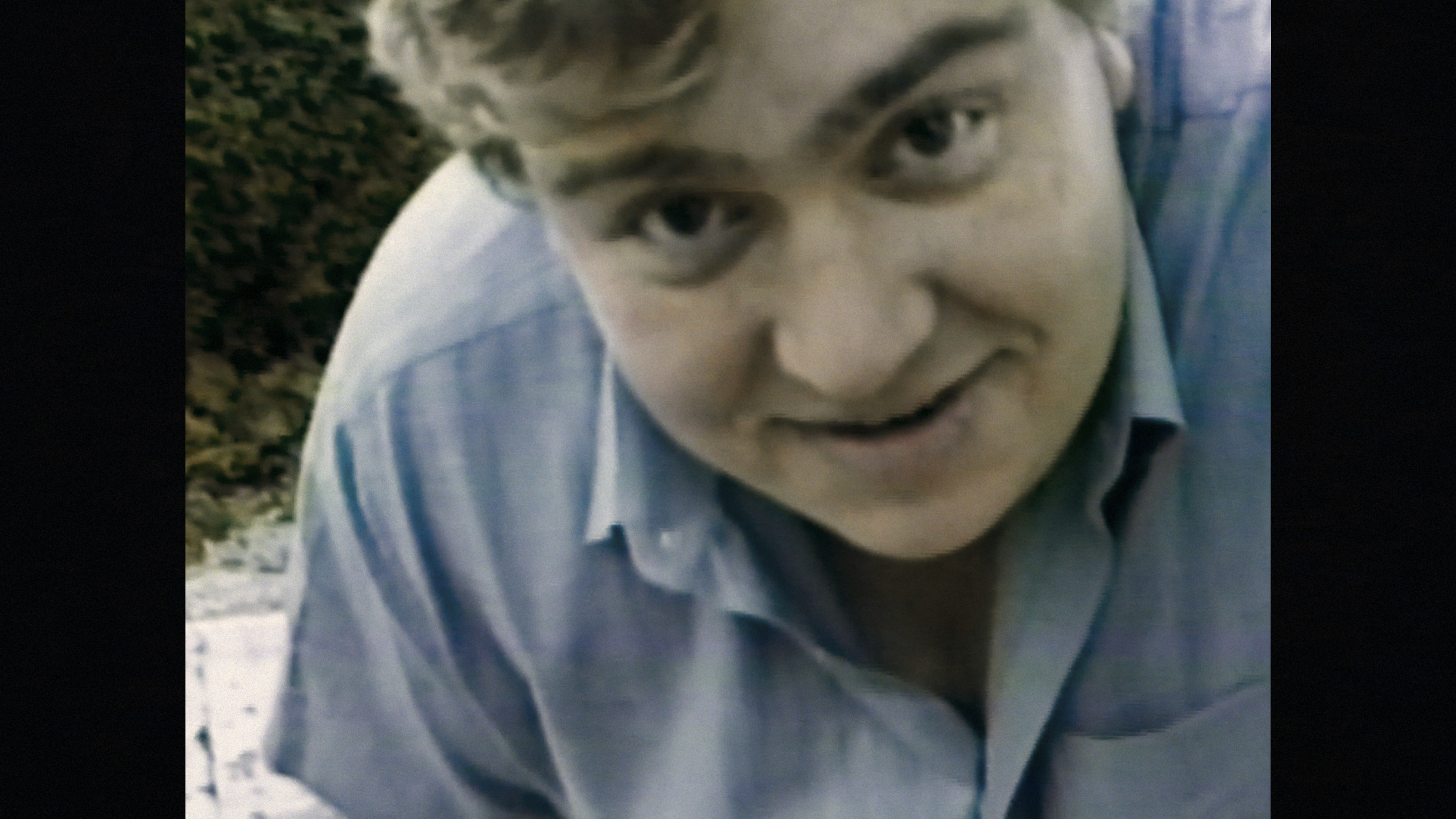
But this isn’t just a greatest-hits reel ticking off SCTV, Stripes, Spaceballs, and The Great Outdoors. Hanks wisely sidesteps the predictable timeline approach and leans into Candy’s internal life. The archival material is incredible, from old sketches and behind-the-scenes clips to home movies that catch moments of joy, and sometimes pain. We see how much Candy gave to the world—and how hard it sometimes was for him to accept love in return. As it respectfully digs into Candy’s private life—his early struggles, his teenage sadness, his lifelong battle with feeling like he wasn’t enough—Hanks never veers into misery tourism. What emerges is something more complicated and true: a portrait of a man shaped by profound childhood loss.
Candy’s father died when he was five. That trauma followed him everywhere, influenced everything—his comedy, his compulsion to make people happy, his devotion to being present for his own kids in ways his circumstances denied him. The documentary doesn’t exploit this pain; it illuminates how that scared little boy became someone driven to bring joy to others, to make everyone in the room feel seen and valued. Chris and Jennifer Candy, serving as co-executive producers, speak with disarming honesty about their father’s struggles and the emotional costs of fame. Their reflections fill crucial gaps, especially about the weight-related cruelty Candy endured throughout his career—nastiness that’s hard to watch even through archival footage.
Still, I wish we heard more voices from Candy’s childhood, from high school, from before comedy became his salvation. Everyone mentions how much he struggled during those formative years, but we hear primarily from people who met him after he’d found his path. What we get resonates deeply, though. These aren’t comedians deflecting with jokes to avoid the hard stuff. They let themselves be sad. They remember not just the loss but how he lives on in their work, their approach, their understanding of what it means to be kind.
There’s no scandal, no shock. Just a quiet, powerful truth: John Candy mattered. He mattered to his family. To his peers. To us. There are moments that capture Candy’s generosity and craft, outtakes that make you laugh and then suddenly punch you in the gut. Editors Shane Reid and Darrin Roberts weave between eras without losing the thread, while Justin Kane‘s cinematography adds polish to the new footage without overshadowing those precious glimpses of the past. Tyler Strickland‘s score supports without overwhelming.
The secret weapon, though? Cynthia Erivo’s (Harriet) haunting cover of “Everytime You Go Away,” that Paul Young ballad that closed Planes, Trains and Automobiles and gives this film its subtitle. Hearing it paired with Candy’s quietest moments—watching him just be, just exist, just radiate that warmth—it destroys you. The emotional impact of it all really sneaks up on you. The film doesn’t dwell on Candy’s actual death—it’s barely discussed—but the reactions and reflections from the friends who loved him, the wife who lost her partner, and the children who grew up without a dad are impossibly sad. And yes, that devastating Planes, Trains and Automobiles scene gets shown. Twice. Just to make sure you’re reaching for tissues.
What saddens me most is that whole generations won’t grow up with Candy as essential viewing. His filmography runs so deep: underappreciated gems like Only the Lonely and Uncle Buck (which deserves far more credit as the emotionally satisfying family film it is), even the enjoyable disasters like Delirious and Who’s Harry Crumb? There’s so much worth revisiting. So much lost.
John Candy: I Like Me is big-hearted, quietly sad, and impossible not to love—just like the man himself. As Del Griffith says in that perfect, vulnerable moment: “I like me. My wife likes me. My customers like me.”
We liked you too, John. We still do.