SPOILER-FREE FILM REVIEWS FROM A MOVIE LOVER WITH A HEART OF GOLD!

From the land of 10,000 lakes comes a fan of 10,000 movies!

Late Shift Review: Heart Rate Is Elevated

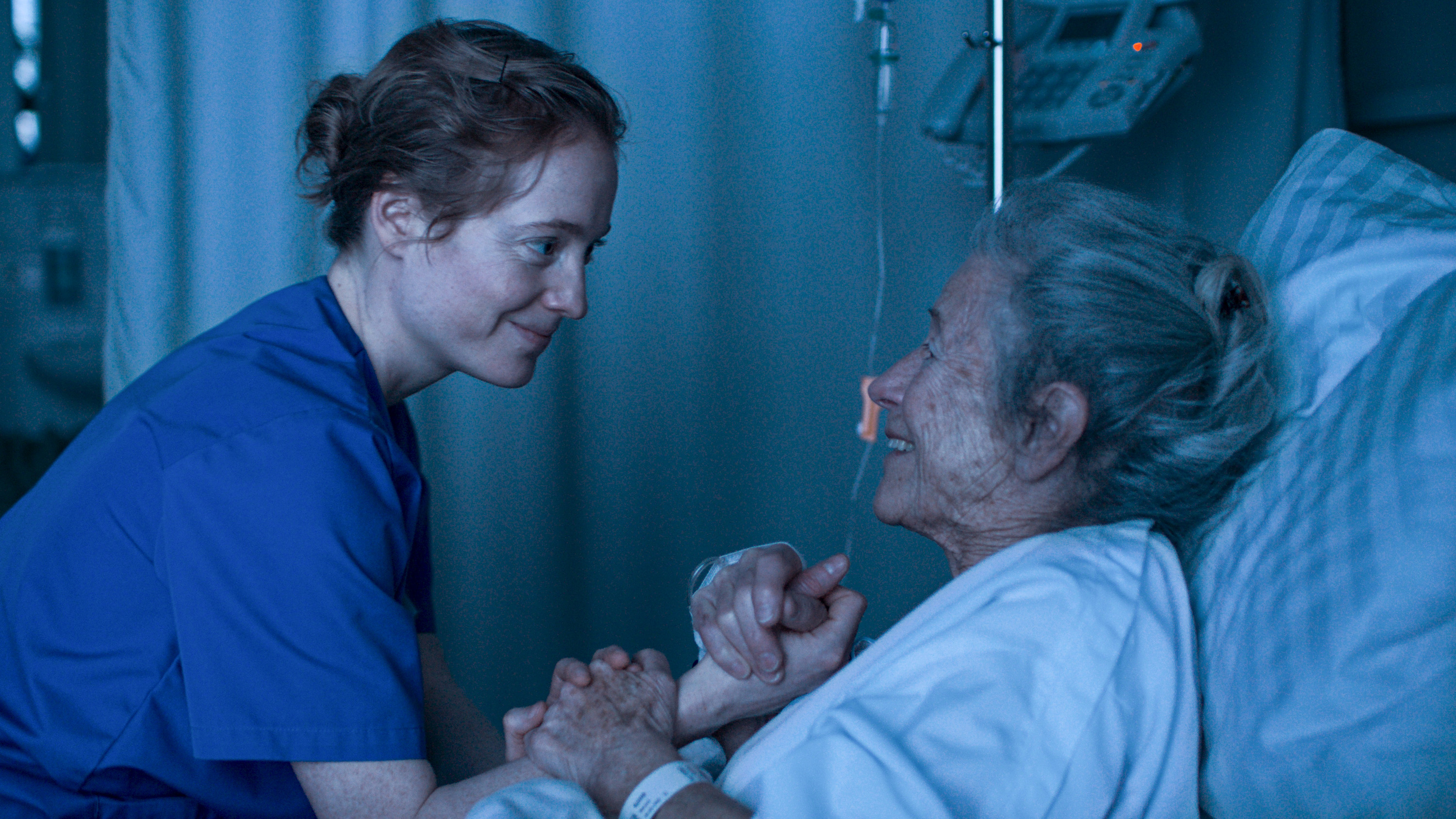
Synopsis: A dedicated nurse navigates an impossible overnight shift at an understaffed Swiss hospital, balancing patient care, absent doctors, and a system stretched past its breaking point.
Stars: Leonie Benesch, Sonja Riesen, Selma Aldin, Alireza Bayram, Ali Kandaş, Aline Beetschen, Jasmin Mattei
Director: Petra Volpe
Rated: NR
Running Length: 92 minutes
Movie Review in Brief: Leonie Benesch is extraordinary in Late Shift, a Swiss hospital drama that plays out like a thriller with a stethoscope. Essential viewing for anyone who’s ever taken a nurse for granted, which is all of us.

Review:

I had to quit playing the app Township on my phone because managing so many farms and factories to keep all my “customers” happy until 3am was giving me actual anxiety. I mention this because Late Shift recreated that exact sensation within its first ten minutes, and from there, it only tightens the screws. Director Petra Volpe has crafted a 92-minute pressure cooker about a hospital late shift that functions as both riveting drama and urgent social commentary, and Leonie Benesch delivers the kind of performance that makes you want to clear your schedule and watch her sweat through another shift.

One Shift, Twenty-Six Patients, Two Nurses

Floria (Benesch, The Teachers’ Lounge) arrives at the surgical ward of a Swiss hospital with a fresh pair of sneakers and a warm smile. One colleague has called in sick with no replacement available. That leaves Floria, one other nurse, and a nervous trainee to cover more than two dozen patients through the night. The doctors are unreachable. The phones won’t stop ringing. The clock is already working against her.

Benesch Is the Entire Show

If you haven’t caught wind of Benesch yet, I hope you’ve got time after watching this because you’re going to want to go deep on her filmography. She was terrific in two of last year’s best films, The Teachers’ Lounge and the vastly underappreciated September 5, and she scores another knockout here.

Her Floria moves through the ward with the efficiency of someone who has done this a thousand times, but Benesch layers in the accumulating toll with surgical precision. Watch her hair. It starts the shift neatly pulled back. By the midpoint, strands are escaping. By the climax, it’s a full frizz from all the running. It’s the kind of physical storytelling detail that separates great performances from merely good ones.

The supporting cast exists largely as obstacles and interactions Floria must navigate between patients. Jürg Plüss is memorably insufferable as Herr Severin, a private-room patient whose premium insurance has convinced him that Floria is his personal concierge. Their encounters escalate with a tension that Volpe manages brilliantly, keeping you uncertain about where the confrontation will land. He’s the one character the movie allows you to pour your frustration into, and Plüss plays the entitlement with relish.

A Treadmill That Won’t Stop

Volpe, who previously directed the acclaimed The Divine Order, stages the film like a workout you didn’t sign up for. She starts you walking. Gets you warm. Before you realize what’s happened, you’re sprinting and can’t find the stop button. Cinematographer Judith Kaufmann trails Floria with long, gliding takes through corridors and patient rooms, creating an almost documentary immersion that puts you inside the shift. There’s no room for flashy camerawork here, and Kaufmann doesn’t need it. The environment does the work.

Benesch prepared for the role by completing an actual internship at a Swiss hospital, shadowing nurses in the abdominal surgery department and practicing the physical procedures until they became second nature. Nursing specialist Nadja Habicht served as a consultant throughout production. That preparation shows in every frame. There are long, dialogue-free sequences where Volpe simply lets the camera follow Benesch as she prepares medications, and the meticulous detail of those moments gives the film a credibility that most medical dramas can only pretend to have.

More Than a Message Movie

Fans of HBO’s The Pitt will find a powerful companion piece here, one that makes the same arguments about nursing shortages through a distinctly European lens. Where that show examines American bureaucracy and for-profit healthcare, Late Shift feels more universal and more personal, zeroing in on a single professional’s impossible workload and asking: how long can someone this good keep going before the system breaks them? Title cards at the end remind us that the global nursing shortage is projected to reach 13 million by 2030, but the film has already made that statistic feel like a person by then.

Composer Emilie Levienaise-Farrouch (All of Us Strangers) provides a score that knows exactly when to intervene and when to let the beeping monitors and echoing footsteps do the talking. By the final shot, exhaustion and empathy hit simultaneously, and you’re left with the uncomfortable knowledge that Floria’s tomorrow holds another shift just like this one. Late Shift is dynamic, powerful, and justifiably critical. It’s not just worth watching; it’s essential viewing.

See it. Then reach out to a nurse you know (we all know at least one) and thank them for the vital (and often thankless) service they provide.

Looking for something?  Search for it here!  Try an actor, movie, director, genre, or keyword!

Subscribe to Blog via Email

Enter your email address to subscribe to this blog and receive notifications of new posts by email.

Join 5,235 other subscribers
Where to watch Late Shift