
TV Review
New Wave
7/10
TLDR
MGM+’s four-part New Wave is a joyous, tune-packed trip from punk’s rebellious edges to the neon-lit heyday of MTV, told by Billy Idol, Duran Duran, Devo, The Go-Go’s, and plenty of the people who were there. The interviews are terrific, the archive footage is a treat, and the soundtrack could keep me company on a desert island. Four episodes can’t possibly tell the whole story, and some important moments barely get a verse, but I had a great time hitting play.
Where to watch: Premieres on MGM+ November 23
The Facts
Synopsis: This four-part documentary traces New Wave music from its punk roots in the late 1970s through its 1980s takeover of radio, fashion, and MTV, featuring the artists, VJs, and industry figures who helped make it happen.
Director: Douglas Tirola
Stars: Billy Idol, John Taylor, Mark Mothersbaugh, Chris Frantz, Johnny Marr, Martha Quinn
Rated: TV-MA
Running Length: 4 episodes
The Thoughts
Every so often, a documentary has me at the opening notes of its first song. I was already pretty susceptible to New Wave, a four-part celebration of the music, personalities, fashion, and gloriously peculiar hairstyles that helped define the late 1970s and much of the 1980s. But what I liked best about director Douglas Tirola’s series isn’t simply the nostalgia. It’s the reminder of a period when sounding different, looking different, and occasionally being downright ridiculous were selling points rather than problems to be corrected. An era when the weird kids could get their faces on television and suddenly find out there were thousands of other weird kids who adored them. I’m not sure the culture always remembers how exciting that was.
The series comes to MGM+ with a production team that includes Sony’s This Machine Filmworks, 4th Row Films, and PolyGram Entertainment. It’s an interesting group of companies for a music history project, and I couldn’t resist thinking that Sony and MGM have certainly found ways to share a certain secret agent over the years. The more important connection here, though, is the music itself. Tirola has managed to gather enough performers, broadcasters, and industry veterans to fill several terrific radio stations, and for four episodes they get to take us back to the moment when being out of step with everybody else was precisely the point.
From Punk to Prime Time
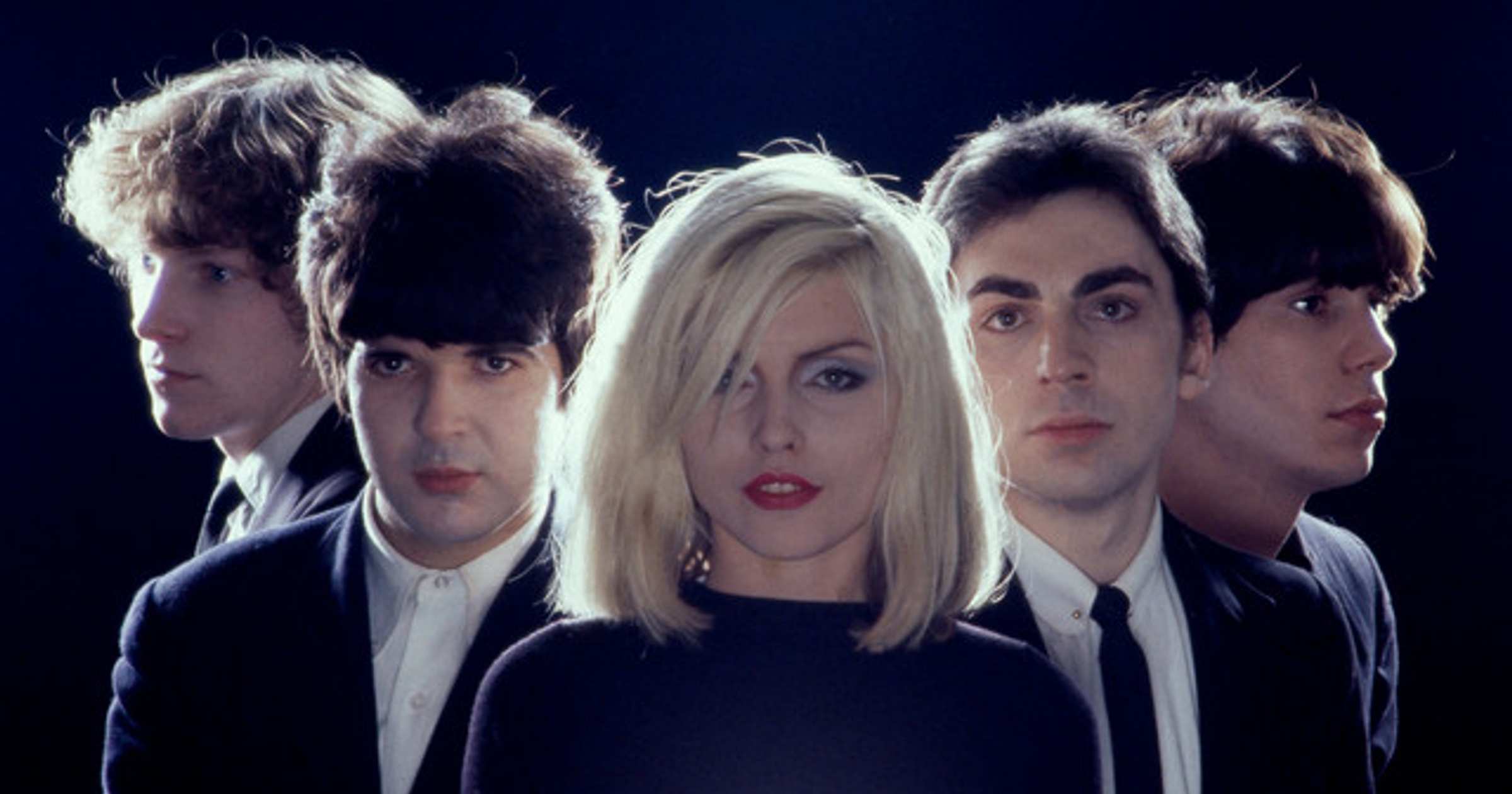
Tirola starts in 1977, when punk’s do-it-yourself attitude helped encourage musicians to pick up instruments, plug in a synthesizer, and figure out what happened next. There wasn’t a rule book, and for a while that was the attraction. The bands didn’t always sound alike, and they certainly didn’t look alike. By the time MTV arrived and began playing music videos around the clock, much of this alternative culture was becoming the mainstream. Suddenly the makeup, the angular haircuts, the bold colors, and the strange sounds weren’t restricted to clubs and import record stores. They were pouring out of television sets in living rooms across the country.
Try explaining to someone who has always had YouTube and Spotify what it meant to wait for a particular music video to come on. It was practically a part-time job.
That transition from rebellious movement to commercial powerhouse is one of the series’ most interesting threads. Synthesizers were increasingly accessible, image became nearly as important as the single, and musicians who might have been considered too odd for a conventional rock band found enormous audiences. The groups borrowed ideas from one another, at times in friendly competition and at other times in the time-honored tradition of realizing somebody else had a really good idea worth stealing. And when the tastes of the late ’80s began shifting toward other sounds, the movement’s influence didn’t vanish. You can hear it all over modern pop, indie music, and the playlists of people who weren’t even born when MTV first went on the air.

The Ones Who Made the Noise
The interview lineup is almost absurdly good. Billy Idol, Mark Mothersbaugh of Devo, John Taylor of Duran Duran, Chris Frantz of Talking Heads, and Johnny Marr of The Smiths all have stories to tell. So do Kate Pierson and Fred Schneider of The B-52’s, Kathy Valentine of The Go-Go’s, Curt Smith of Tears for Fears, and Danny Elfman of Oingo Boingo. It’s the kind of roster that makes you wonder how long the producers spent dialing phones and how many invitations began with, “I promise we’ll ask you about something other than your hair.”
What makes these interviews valuable is hearing the music discussed by people who were actually building the movement, often before anyone knew there was a movement to build. There’s genuine affection, a little competitive memory, and some wonderful candor. Martha Davis of The Motels is particularly affecting when she talks about the difficulties women faced breaking through, reminding us that all the talk about freedom and individuality didn’t mean the business had suddenly become fair. The series is strongest when it allows personal experience to complicate the brightly colored mythology surrounding the era.
Tirola also remembers the faces who introduced so many of us to the music. Original MTV VJs Mark Goodman and Martha Quinn are here, and seriously, who didn’t love Martha Quinn? She’s still an absolute delight. The DJs, promoters, managers, and other people who helped turn records into sensations round out the story, while archival concerts, music videos, and behind-the-scenes footage remind us just how startling these performers could look beside the more traditional rock stars of the preceding decade. More than once, I caught myself watching a clip and forgetting I was supposed to be listening to the interview. That’s a compliment to the material, even if I wouldn’t have objected to the filmmakers letting a few performances play longer.
Politics on the Mixtape
One of my favorite aspects is hearing familiar songs examined with the politics and anxieties of the time brought back into view. I knew the words to Tears for Fears’ “Everybody Wants to Rule the World” long before I spent much time considering its ideas about power and conflict. Back then, it was just a terrific song to record on a mixtape, preferably without the radio DJ talking over the opening or fading it out early. Listening now, you realize how much commentary some of these musicians tucked inside melodies you could sing while your mom drove you to the mall.
That’s where New Wave becomes more than a well-produced nostalgia trip. The change wasn’t just musical. The rise of inexpensive electronic instruments, the importance of video, and a culture in which self-invention could become part of an artist’s identity expanded the range of people who might be heard on pop radio. Women, queer performers, art-school eccentrics, and musicians who didn’t fit the standard rock-star mold found opportunities to be visible on a massive scale, even if the industry didn’t always treat them equally. The series makes a persuasive case that the music’s greatest legacy may be the permission it gave listeners to be a little more themselves. I wish it had lingered longer on that idea.
Too Many Hits, Not Enough Time
And that’s my biggest frustration. There is simply too much history for four episodes. The documentary wants to follow a decade of music, show the evolution of its sound and style, interview dozens of important players, and make room for events as enormous as Band Aid and Live Aid. Something has to give, and it’s usually the depth. Live Aid, in particular, feels like the sort of event you could build an entire film around, not just a stop along the way, even with Bob Geldof available to discuss it. Certain bands and subgenres get only a quick hello before the next familiar anthem arrives. It’s a greatest-hits collection when I often wanted the deluxe box set, complete with liner notes and the odd B-side.
There are so many stories here that I also found myself wondering why more of these musicians haven’t been given major biopics. The rise and reinvention of some of these bands could fuel tremendous movies. I’d happily watch a serious attempt to dramatize Band Aid and Live Aid, too. The Live Aid sequence remains, for me, the one truly great stretch of Bohemian Rhapsody, and it demonstrates just how thrilling that history can be when cinema gets the details and energy right.
Don’t You Forget About Them
To Tirola’s credit, the series rarely loses its momentum, thanks to the terrific interviews and one wall-to-wall soundtrack after another. Executive producer R.J. Cutler and consulting producer Richard Blade, the longtime Los Angeles DJ, are among the people helping shape an affectionate, accessible account of a scene that was never as simple as one musical label. I wanted more musical analysis, more on the stories that didn’t fit neatly into the mainstream narrative, and another hour or two for all the roads the series merely points toward. That keeps it at a solid 7/10 rather than something greater.
But I also had an awfully good time. New Wave understands that the best nostalgia isn’t simply remembering how you dressed or which poster you hung on your wall. It’s remembering how thrilling it was to discover a song that seemed to have been made specifically for you, and then finding out a million other people felt the same way. Four episodes weren’t enough. I wanted an encore, and maybe somebody could throw in one more mixtape for the drive home.

The Final
A terrific lineup of musicians and MTV personalities makes New Wave a highly entertaining trip through an era when individuality ruled the airwaves. It skims over some fascinating history and leaves too many songs unfinished, but as a celebration of the sounds and people who made the ’80s so much fun, this is one playlist I would gladly put on repeat.
7/10
Where to watch: Premieres on MGM+ November 23

Reviewed by Joe Botten
Joe Botten is The MN Movie Man, a Twin Cities film critic writing spoiler-free reviews since 2012. He also writes for Loud and Clear Reviews, a Rotten Tomatoes approved site. Find him on Instagram and Letterboxd.
Looking for something?
Search by actor, movie, director, genre or keyword.


Leave a Reply